Absolutely Nasty Sudoku Level 4
Designed for experienced puzzle solvers, this book features challenging, high-level Nasty Sudoku puzzles by Frank Longo to push your logical skills to the limit.
View on AmazonOriginal ideas for clearer play
A record of how Sudoku is solved, taught, and shaped. The Journal turns interesting games into substantial original lessons — giving players something useful to read before the next puzzle.
Su-Pu Studies
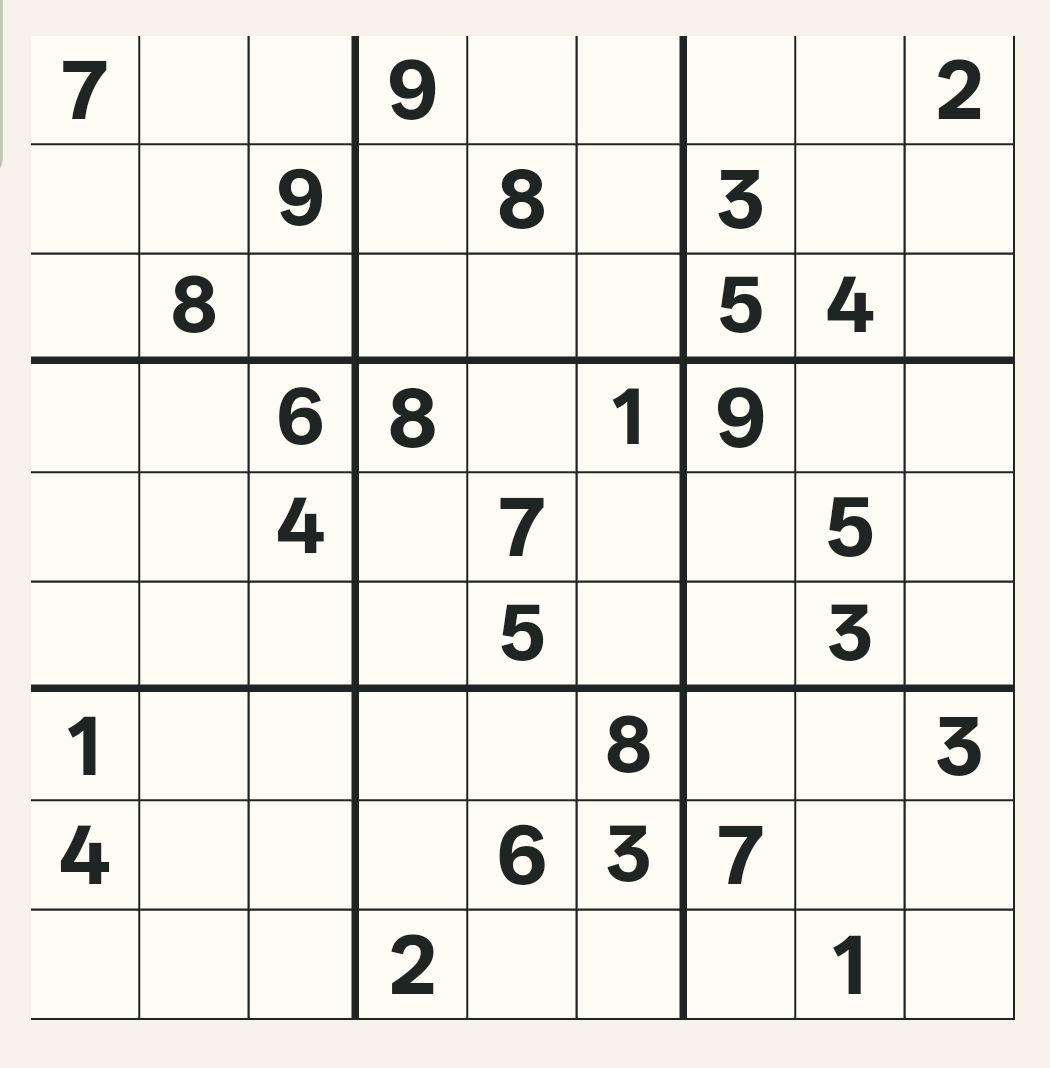
Why ibtree's pencil digits trace a trial solution forward, not every possible candidate in every cell.
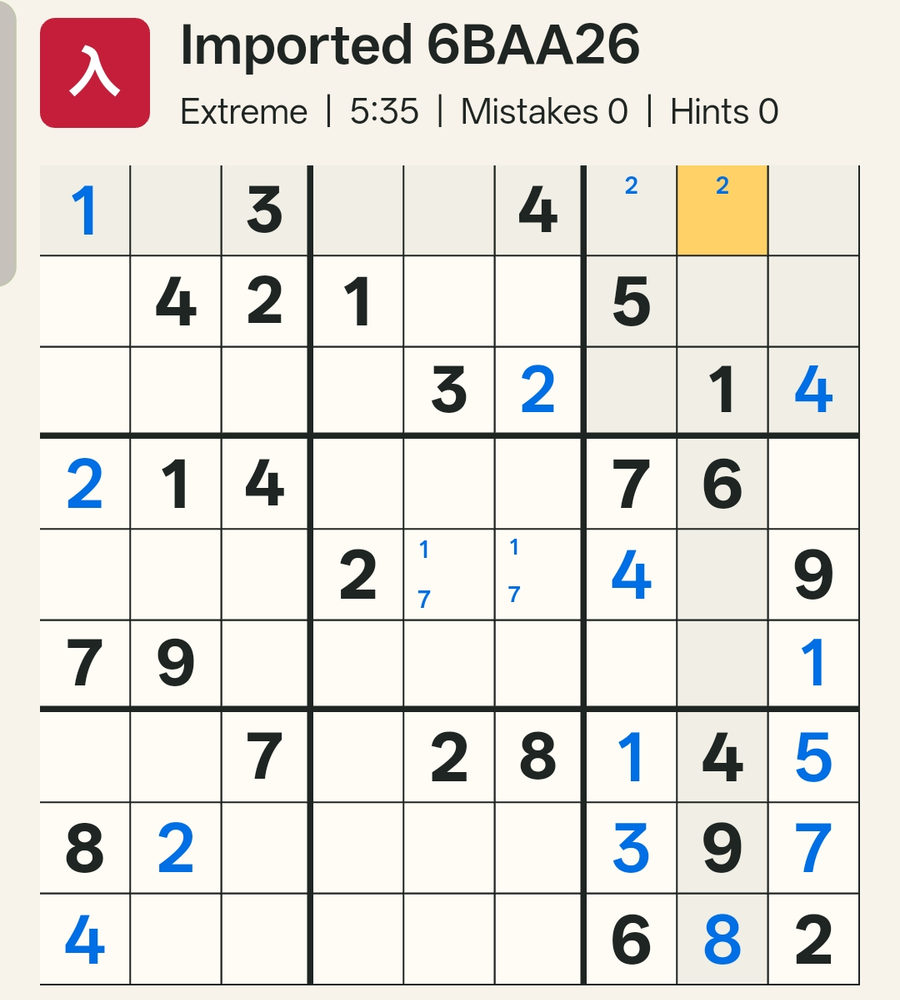
What happens when your chosen candidate turns out to be correct? A look at the ibtree method's success path—and a practical verification technique for any completed grid.
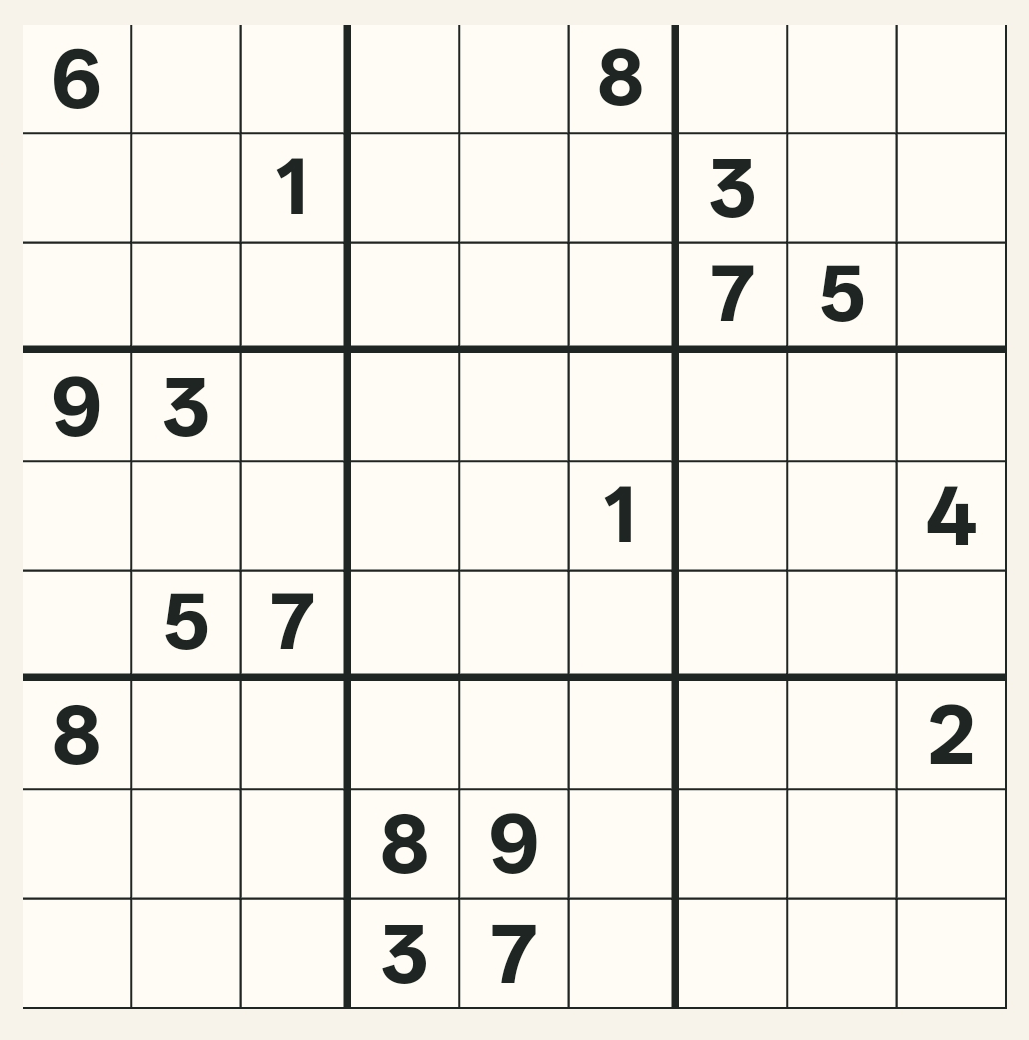
When three candidates compete for the same digit, a two-layer ibtree resolves the uncertainty—eliminating two false paths to prove the third.
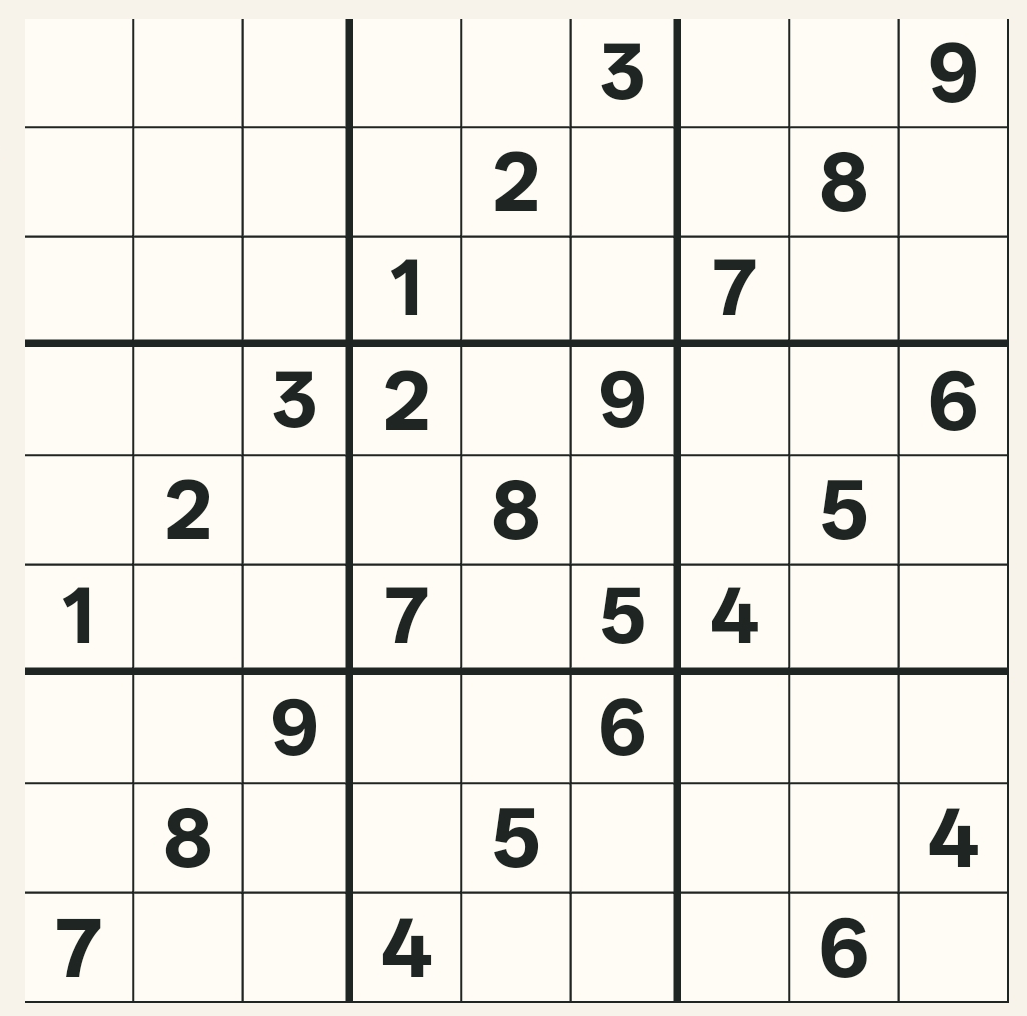
When a Hell-tier puzzle’s elegant initial state meets the ibtree method’s sharp forks, even a Hodoku 7820 becomes a study in creative leverage.
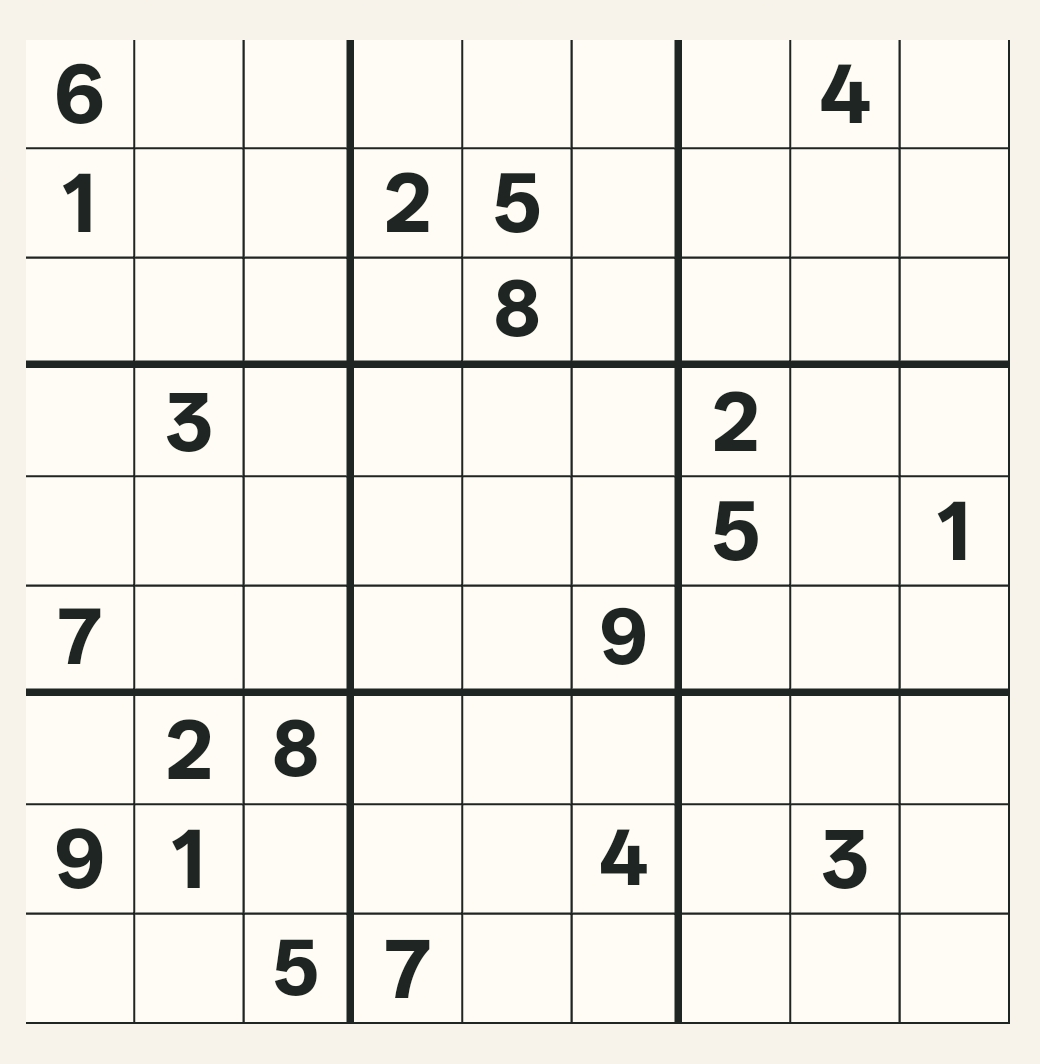
When candidate reduction demands a dozen advanced techniques, ibtree finds an elegant path through a single well-chosen assumption.
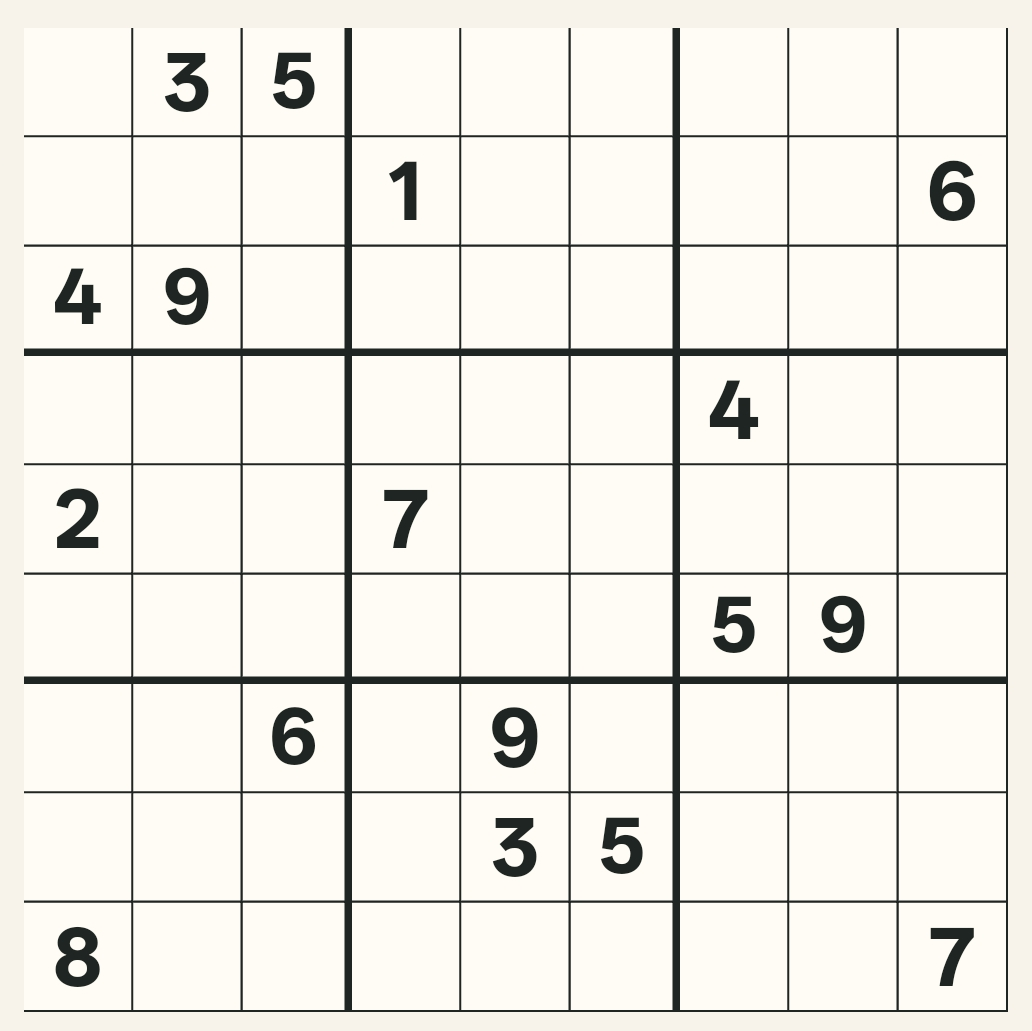
When three candidates vie for one position, treat it as two binary decisions—and watch a Hell-tier puzzle collapse.
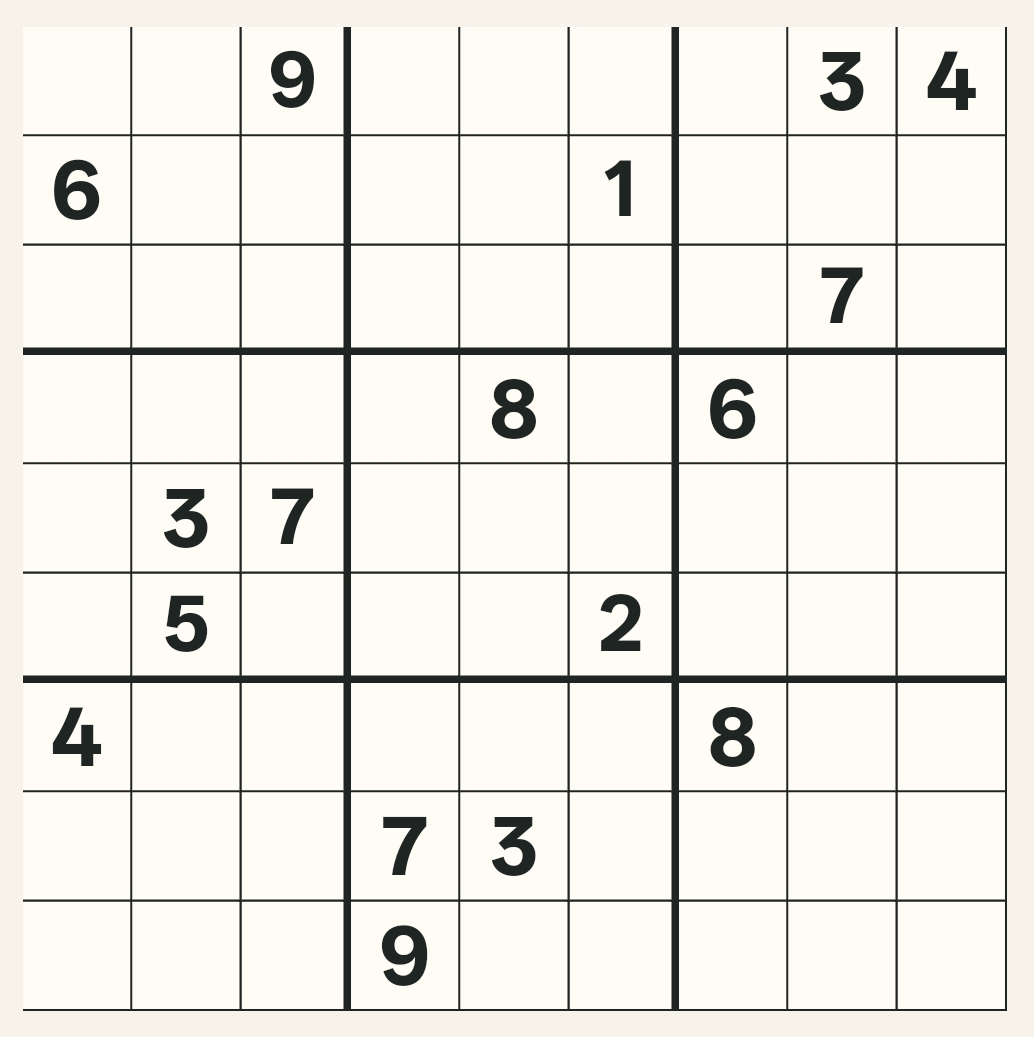
When two candidates in a box form a knight's-move pattern, one often acts as a chain trigger—tracing it forward quickly reveals which assumption leads to contradiction.
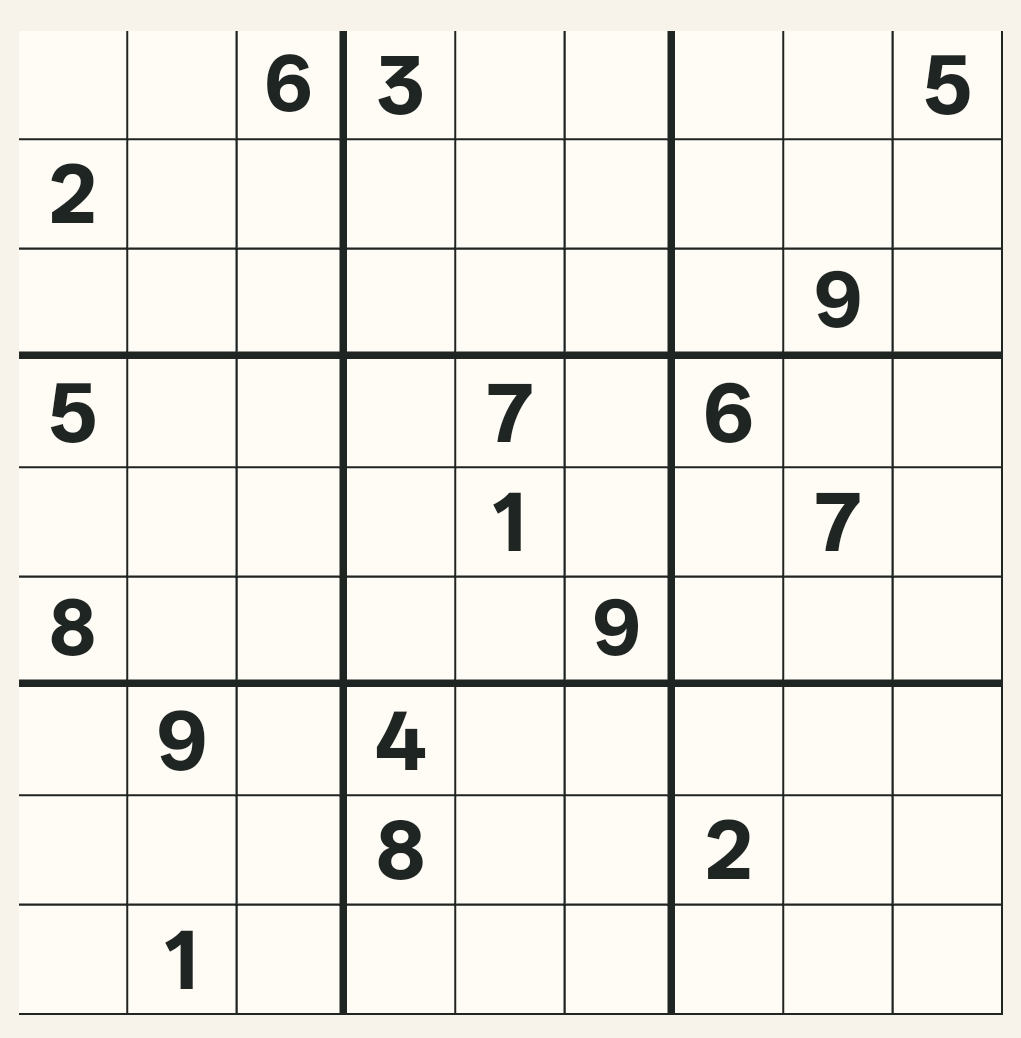
When basic methods stall, look for a binary fork—two candidates in one box—and trace one forward to find your proof by contradiction.
Designed for experienced puzzle solvers, this book features challenging, high-level Nasty Sudoku puzzles by Frank Longo to push your logical skills to the limit.
View on AmazonStep up your game with expert-level puzzles crafted by Frank Longo, built specifically for enthusiasts who have mastered standard difficulty levels.
View on AmazonA masterclass in number placement, offering some of the most intricate and brain-bending Sudoku challenges available.
View on AmazonTake a thrilling leap past regular difficulty with a fresh collection of diabolical puzzles designed for dedicated solvers.
View on AmazonPuzzle Challenge
Submit a Sudoku you couldn't crack — your own or one you found elsewhere. If it checks out, we'll solve it, reconstruct the study, and publish it here with your credit (or anonymously, your call).
Submit a puzzle →Rules, scanning, candidates, and a dependable first solving method.
Formal patterns explained through real positions and useful eliminations.
Logical flow, validation, turning points, and thoughtful difficulty.
How the Journal is made
Choose and verify a noteworthy solve.
Rebuild the Su-Pu and draft the lesson.
Check the logic against the playable position.
Release, link practice, and correct openly.