The Three-Way Fork: Restructuring Multiple Branches
When three candidates vie for one position, treat it as two binary decisions—and watch a Hell-tier puzzle collapse.
In this study
01 · Opening
Opening Moves
The previous lessons in this series presented puzzles with clear two-way forks—positions where a candidate had exactly two possible homes, making the decision tree structure immediately obvious. This session starts differently.
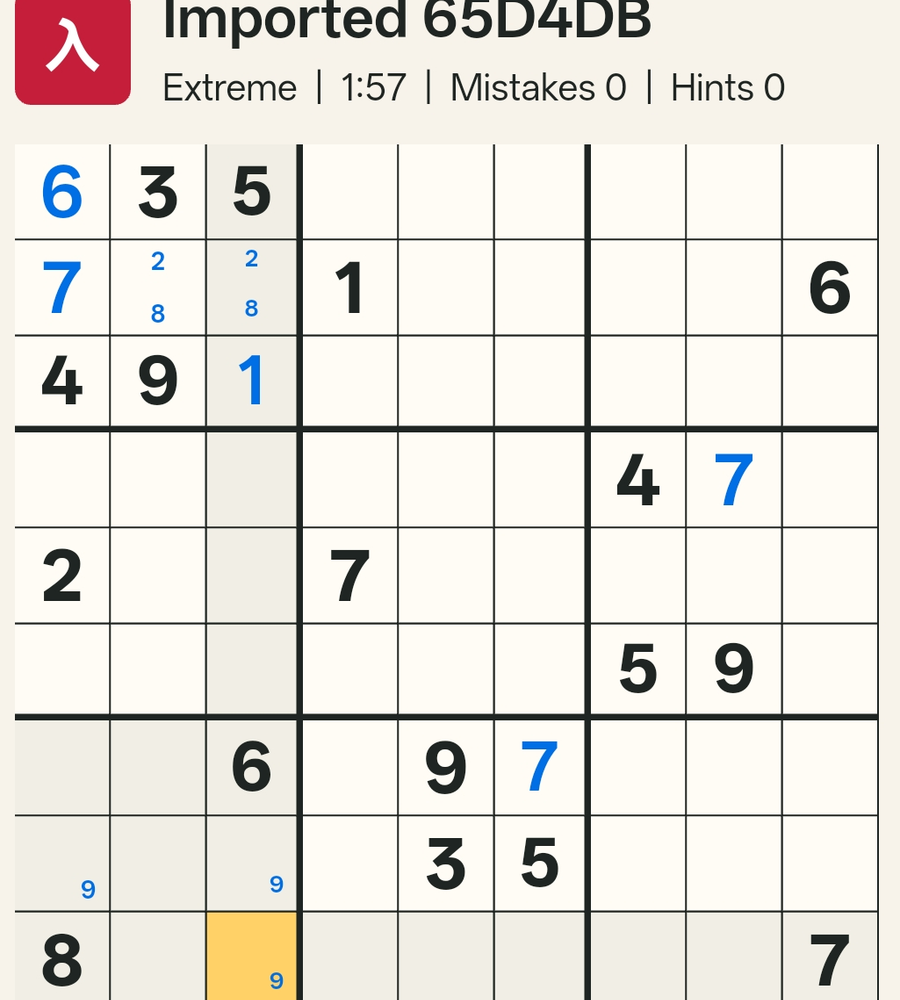
After the first pass—confirming a few givens and spotting a naked pair that would eventually help determine another number—the grid offers no compelling candidate pairs that might trigger a long forced chain. The usual entry points for an ibtree approach seem absent.
02 · Fork
The Fork
But wait. Box 7 contains three potential positions for the candidate 9. On the surface, that's a three-way fork—not the binary structure the ibtree method prefers.
A three-way fork is just two binary decisions in sequence. Test one candidate against the group. If it fails, test the second against the third. Two proofs by contradiction narrow three possibilities down to one.
Conceptually, any multi-way decision can be restructured as a series of binary choices. In this case, two of the three candidate positions can trigger distinct forced chains, making them ideal test branches.
03 · First Branch
First Branch
The solver begins by assuming the first candidate position is true and tracing its consequences forward.
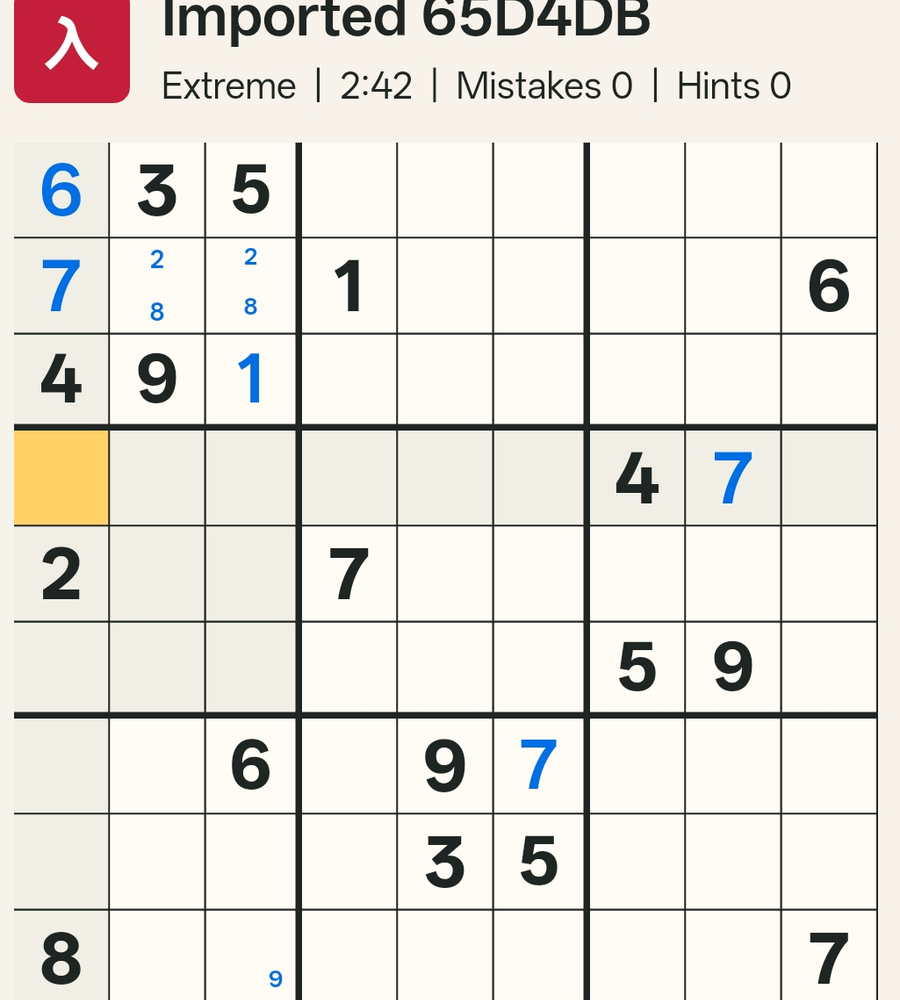
After applying basic sudoku rules across Box 1, Box 4, and Box 7, the conflict emerges quickly.
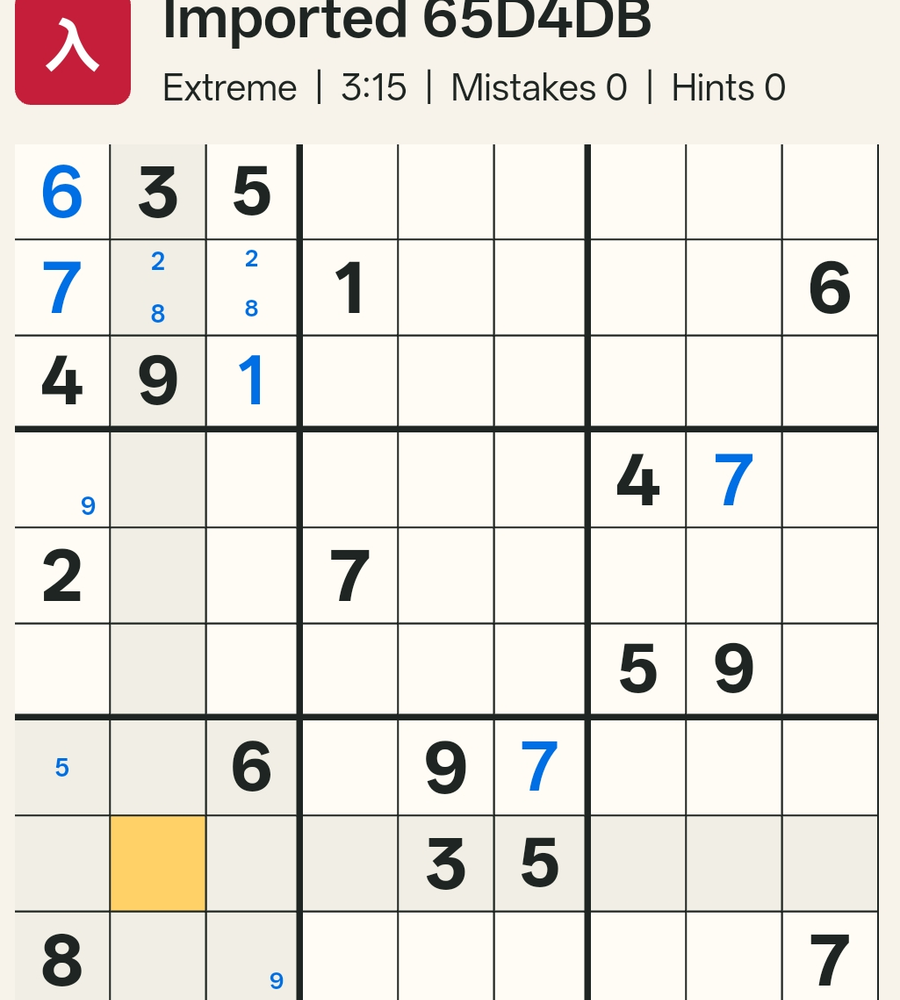
The first branch collapses. That position is eliminated.
04 · Second Branch
Second Branch
With one candidate ruled out, the solver tests the second position.
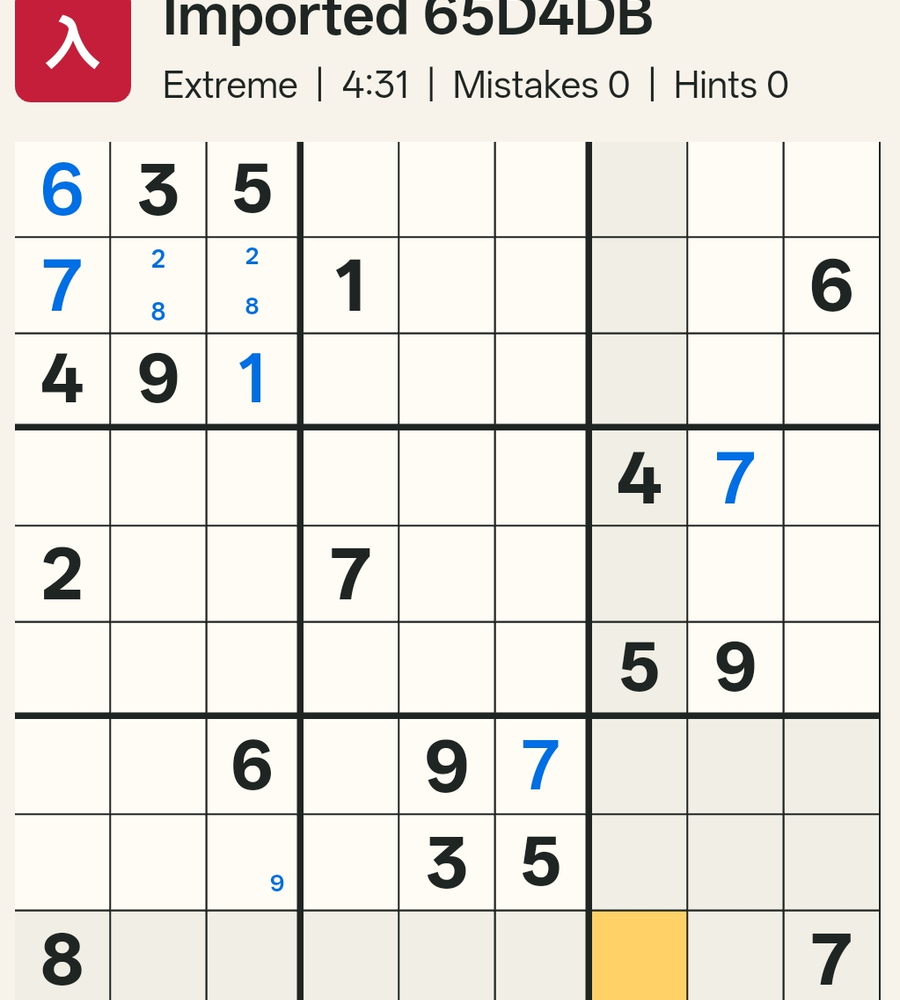
Again, a short chain of forced placements leads to a visible conflict in Box 4.
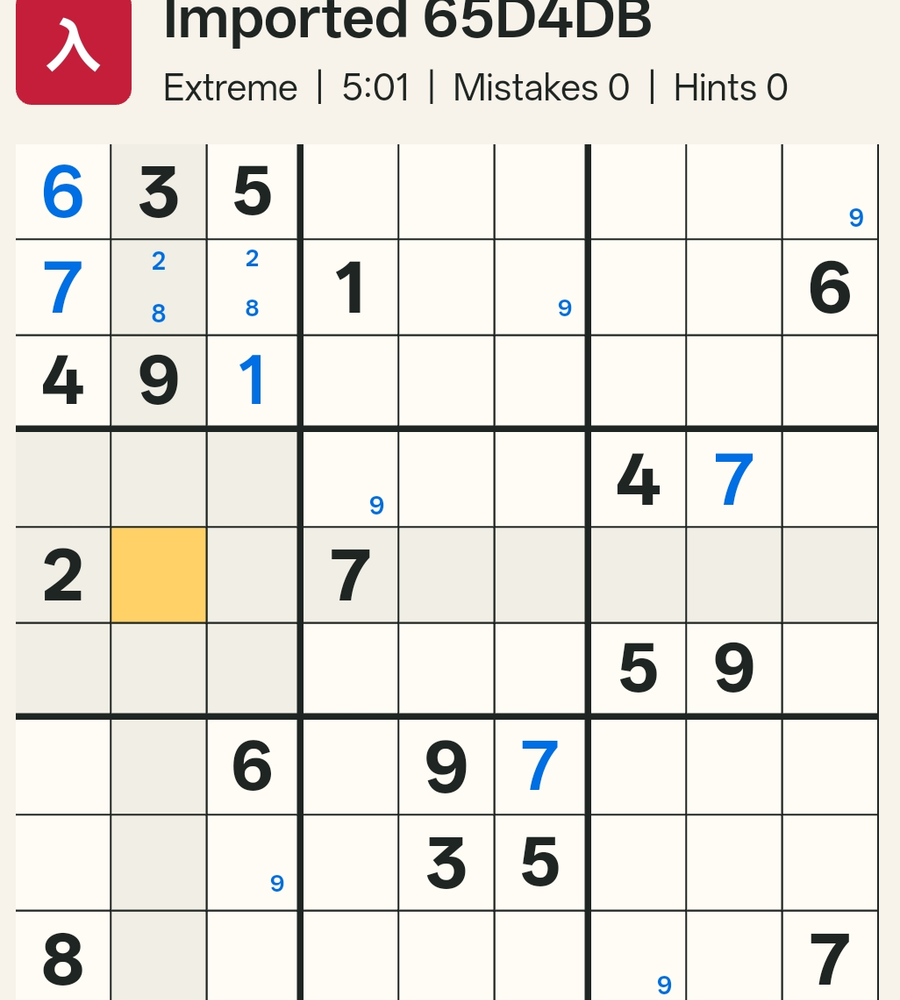
Two contradictions, two eliminations. Only one candidate position remains.
05 · Confirmation
Confirmation
Combining the two proofs by contradiction, the candidate must occupy the third position in Box 7.
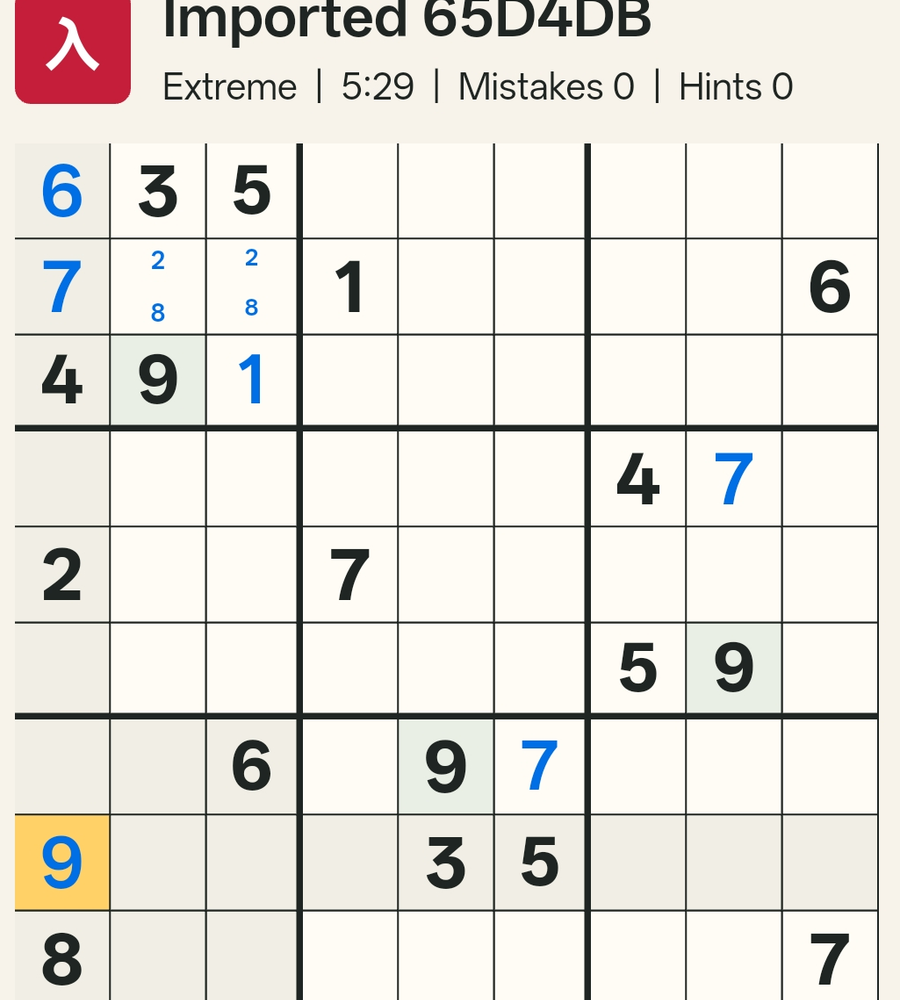
This is the structural power of treating a three-way fork as sequential binary decisions. Each contradiction narrows the field until only the true placement remains.
06 · Finish
The Finish
Once the candidate is placed, the puzzle's difficulty collapses. What was rated as a Hell-tier grid—Hodoku 2216, Sudoku Explainer 7.2—becomes a moderate solve from this point forward.
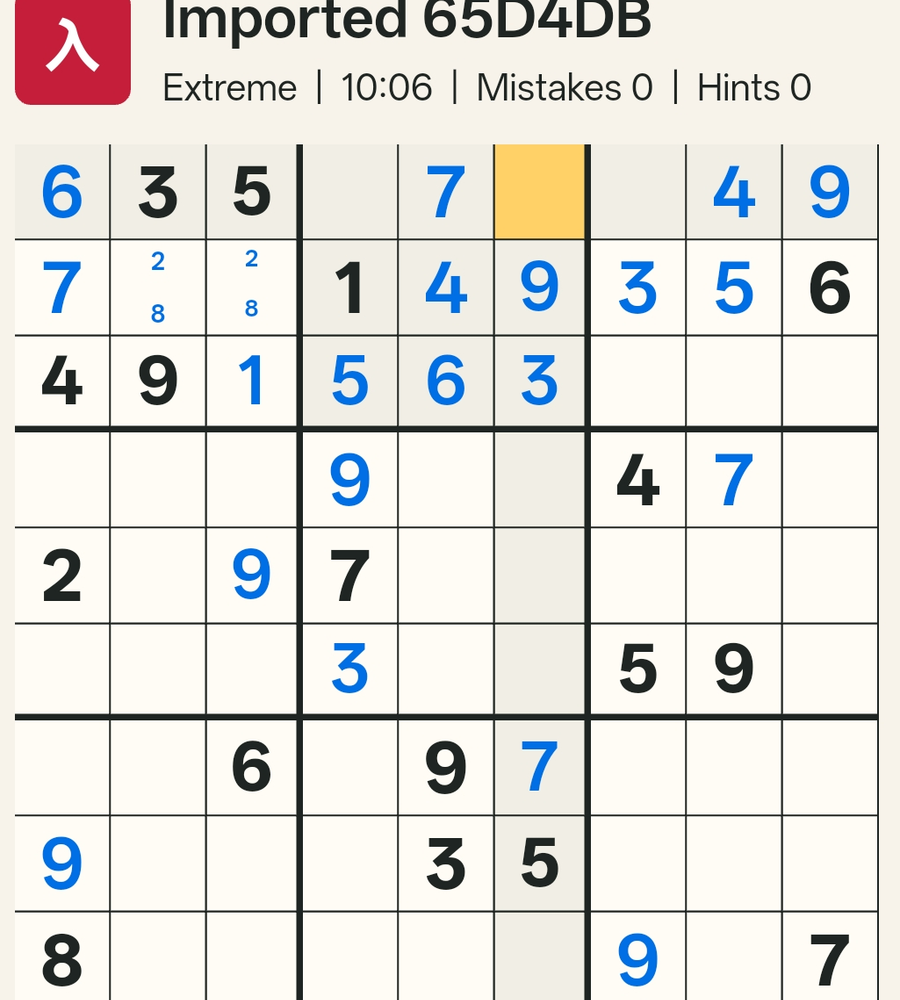
The observation and intuition to restructure the fork as two binary tests paid off enormously. A puzzle that would otherwise demand advanced candidate-reduction techniques became solvable in minutes.
07 · Comparison
Ibtree vs. Canred
Had the solver relied solely on standard candidate reduction (canred) techniques, this puzzle would have required a battery of advanced moves: Swordfish (applied twice), 3D Medusa (three times), and Alternating Inference Chain. Each technique demands careful pattern recognition and considerable solving time.
| Ibtree | Candidate reduction |
|---|---|
| Restructure the three-way fork as two binary tests | Catalog all candidate positions across the entire grid |
| Test two branches, trace each to contradiction | Apply Swordfish twice to eliminate distant candidates |
| Confirm the third position by elimination | Apply 3D Medusa three times to find deeper conflicts |
| Puzzle collapses to moderate difficulty | Apply Alternating Inference Chain to resolve remaining ambiguity |
| Total time: minutes | Total time: considerably longer |
The ibtree approach bypasses all of that. By recognizing the structural opportunity—a multi-way fork that can be split into sequential binary decisions—the solver reaches the same confirmed placement in a fraction of the time, using only proof by contradiction and basic rule application.
Try it yourself
The next time a puzzle presents three or more candidate positions, treat it as a sequence of binary tests. Two contradictions often unlock what canred alone would struggle to reach.
Start a Tea Moment